
20 Reef Fish to Spot on Maui Snorkeling Tours
Maui Snorkeling Tours offer an opportunity to encounter colorful Hawaiian reef fish in clear, reef-rich water. From bright yellow tangs grazing on algae to well-camouflaged flounders resting on sand, each species has distinctive markings, behavior, and a role in the reef ecosystem.
This identification guide covers 20 memorable fish commonly associated with Hawaiian reefs, along with practical tips for recognizing them without getting too close. Most of the reef fish mentioned here can be found on our Maui Snorkeling Tours to Molokini Crater and Turtle Town.
TL;DR: 20 Reef Fish to Spot on Maui Snorkeling Tours
- Where to find them: Most featured reef fish can be found on Molokini Crater and Turtle Town snorkeling tours.
- Best ID clues: Color, body shape, behavior, and habitat are the most useful underwater identification clues.
- Where to look: Look over both coral and sand to spot obvious schooling fish as well as camouflaged flounders and gurnards.
- Reef etiquette: Keep a respectful distance and avoid touching coral or feeding fish.
Table of Contents
- 1. Know What Makes Maui Reef Fish So Memorable
- 2. Look for These 20 Hawaiian Reef Fish
- 3. Add Your Molokini Crater and Turtle Town Fish Table Here
- 4. Use Habitat Clues to Find Fish More Easily
- 5. Avoid the Most Common Fish Identification Mistakes
- 6. Protect the Reef While Snorkeling
1. Know What Makes Maui Reef Fish So Memorable
Hawaiian reefs contain hundreds of fish species, so a successful first identification does not require memorizing every animal underwater. Start with the easiest clues:
- Color: Look for unmistakable yellow tangs, blue-striped snappers, and black triggerfish.
- Body shape: A long, stick-like fish is likely a trumpetfish or cornetfish, while a flat fish on the seabed may be a flounder.
- Behavior: Schooling, grazing, hovering over sand, and hiding in coral crevices are useful identification clues.
- Habitat: Examine reef walls, coral heads, sandy channels, open water, and shallow rocky areas rather than focusing on one spot.
The most rewarding Maui Snorkeling Tours pair reef observation with respectful distance. Fish are easier to identify when they are able to continue feeding, schooling, or sheltering naturally.
2. Look for These 20 Hawaiian Reef Fish
Use this checklist as a field guide for Maui Snorkeling Tours. Several species can look similar at first glance, so focus on the most visible trait listed for each fish.
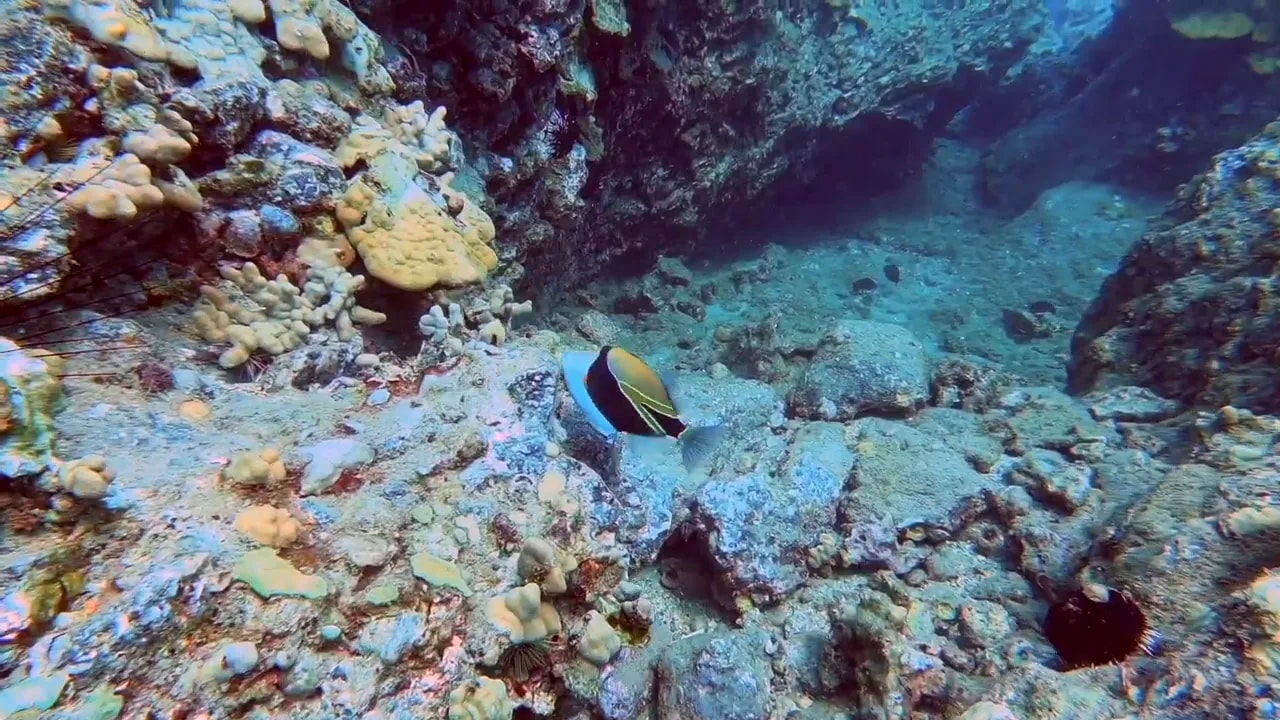
1. Reef Triggerfish, Humuhumunukunukuapuaʻa
Hawaii’s state fish is a common but often skittish reef resident. Look for a brown upper body, darker underside, and a yellow triangular patch near the tail. Its pig-like snout inspired its long Hawaiian name. Like other triggerfish, it uses specialized dorsal and ventral spines to wedge itself into reef crevices for protection.
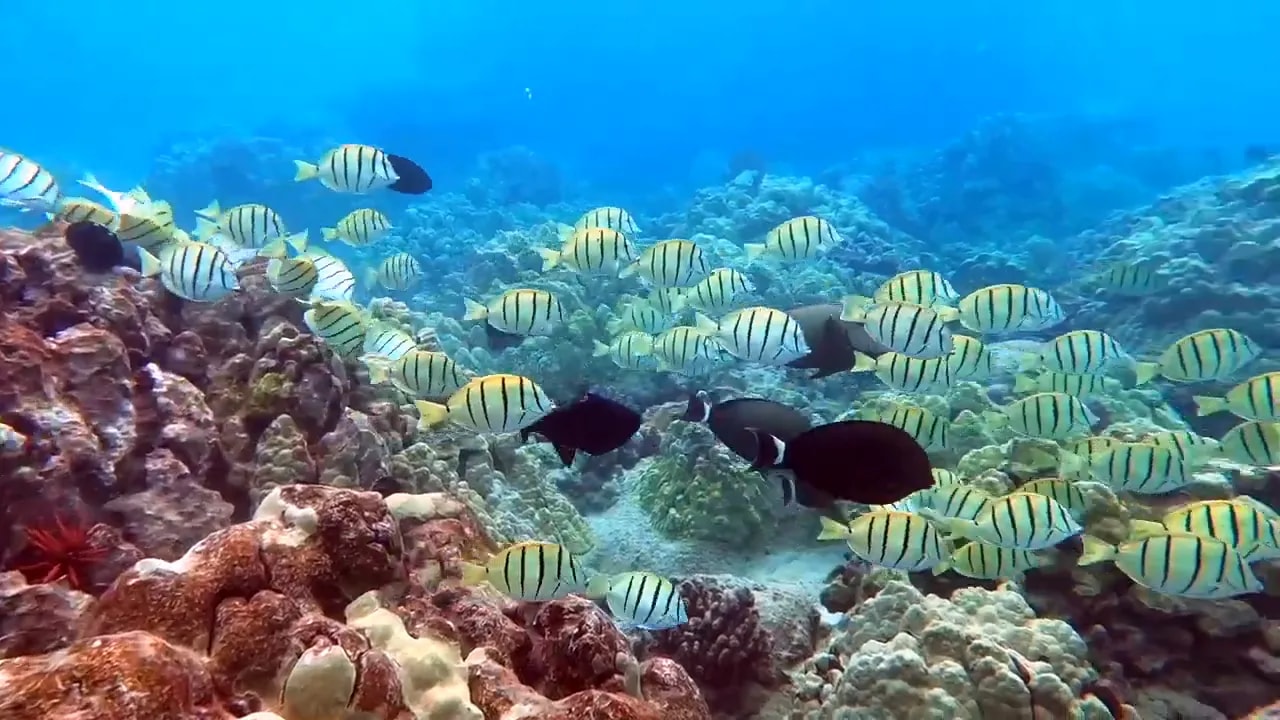
2. Convict Tang, Manini
The convict tang is recognized by its pale body and several bold black vertical stripes. These herbivores often gather in large schools to feed on limu, or algae, helping clear space on the reef for coral growth.
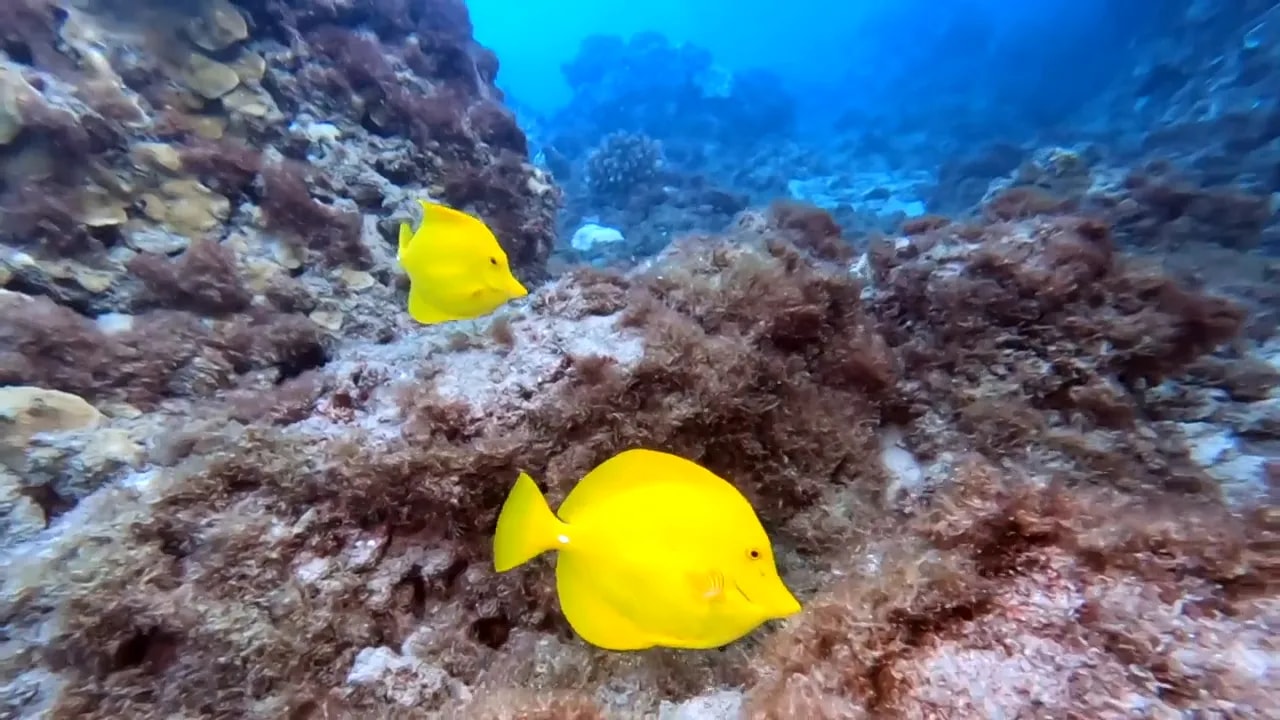
3. Yellow Tang, Lauʻīpala
A brilliant solid-yellow body makes this surgeonfish one of the easiest fish to spot. Look carefully near the base of its tail for the sharp spine characteristic of surgeonfish. Yellow tangs feed on algae and contribute to overall reef health.
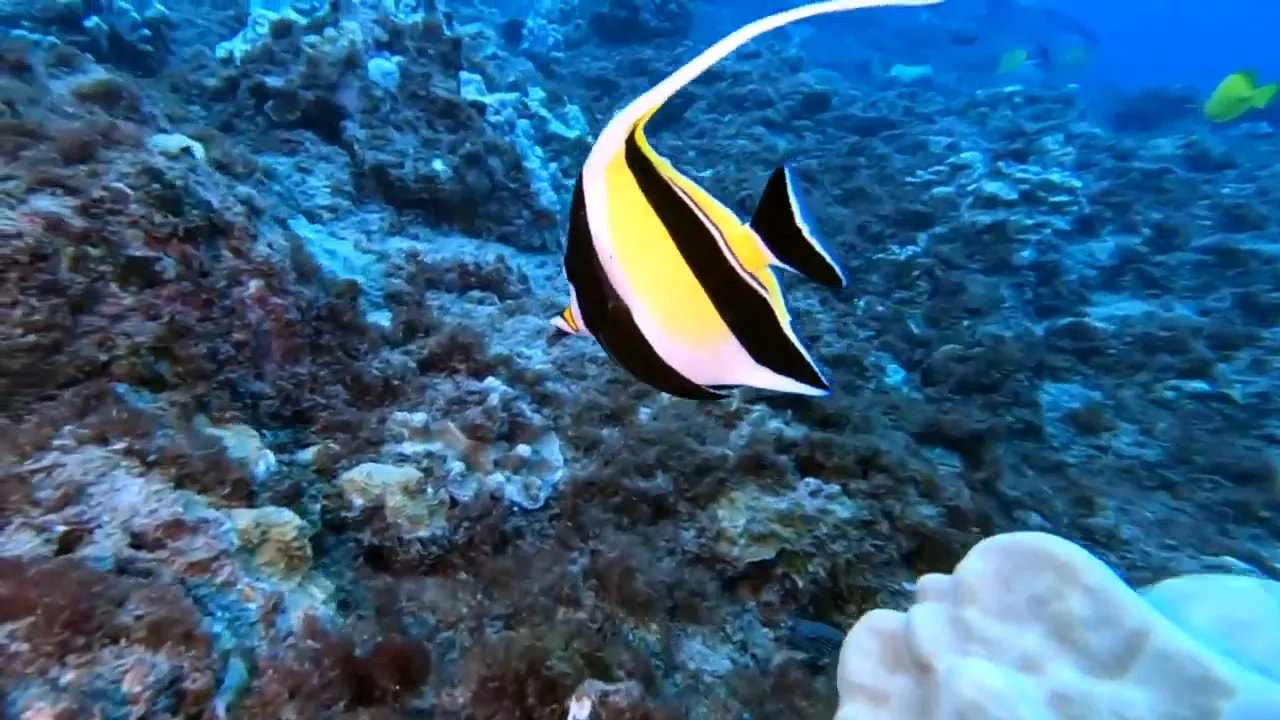
4. Moorish Idol, Kihikihi
The Moorish idol has a dramatic black, white, and pale-yellow pattern, a yellow band across the snout, and a long ribbon-like dorsal filament. It may travel alone, in pairs, or in small groups over the reef.
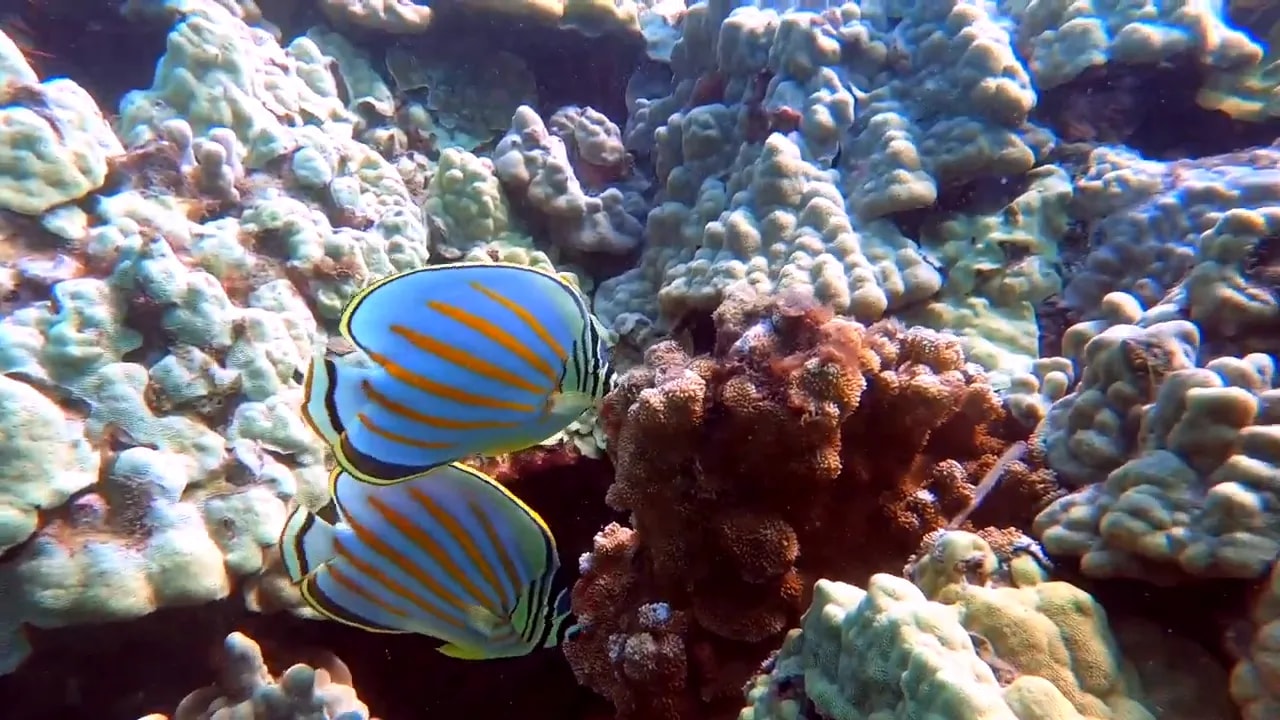
5. Ornate Butterflyfish, Kīkākapu
This larger butterflyfish is predominantly white with diagonal golden bars. Butterflyfish move delicately over coral formations, stopping frequently as they forage. In traditional Hawaiian culture, butterflyfish were considered kapu, or forbidden to harvest.
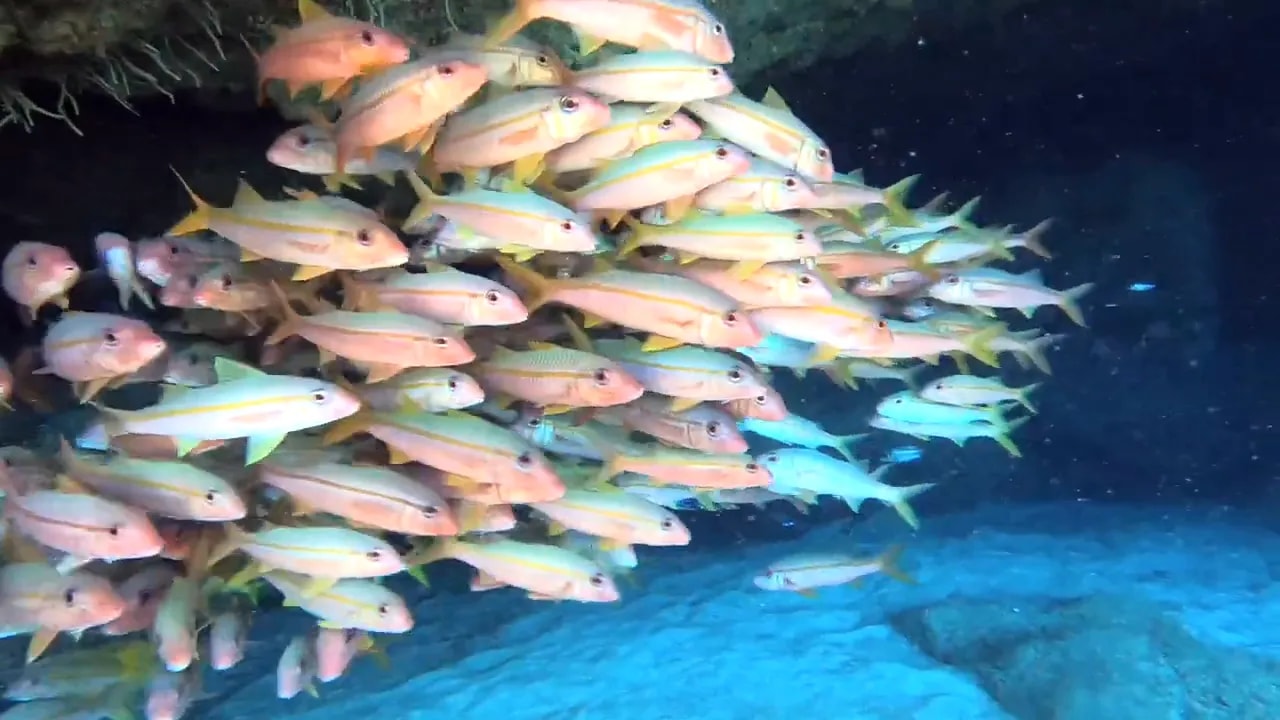
6. Yellow-striped Goatfish, Weke
Look for yellow stripes and the whisker-like barbels beneath the lower jaw. Goatfish use these sensory barbels to probe sand and reef crevices for prey. They are especially worth seeking along sandy areas beside coral structure.
7. Bluefin Trevally, ʻŌmilu
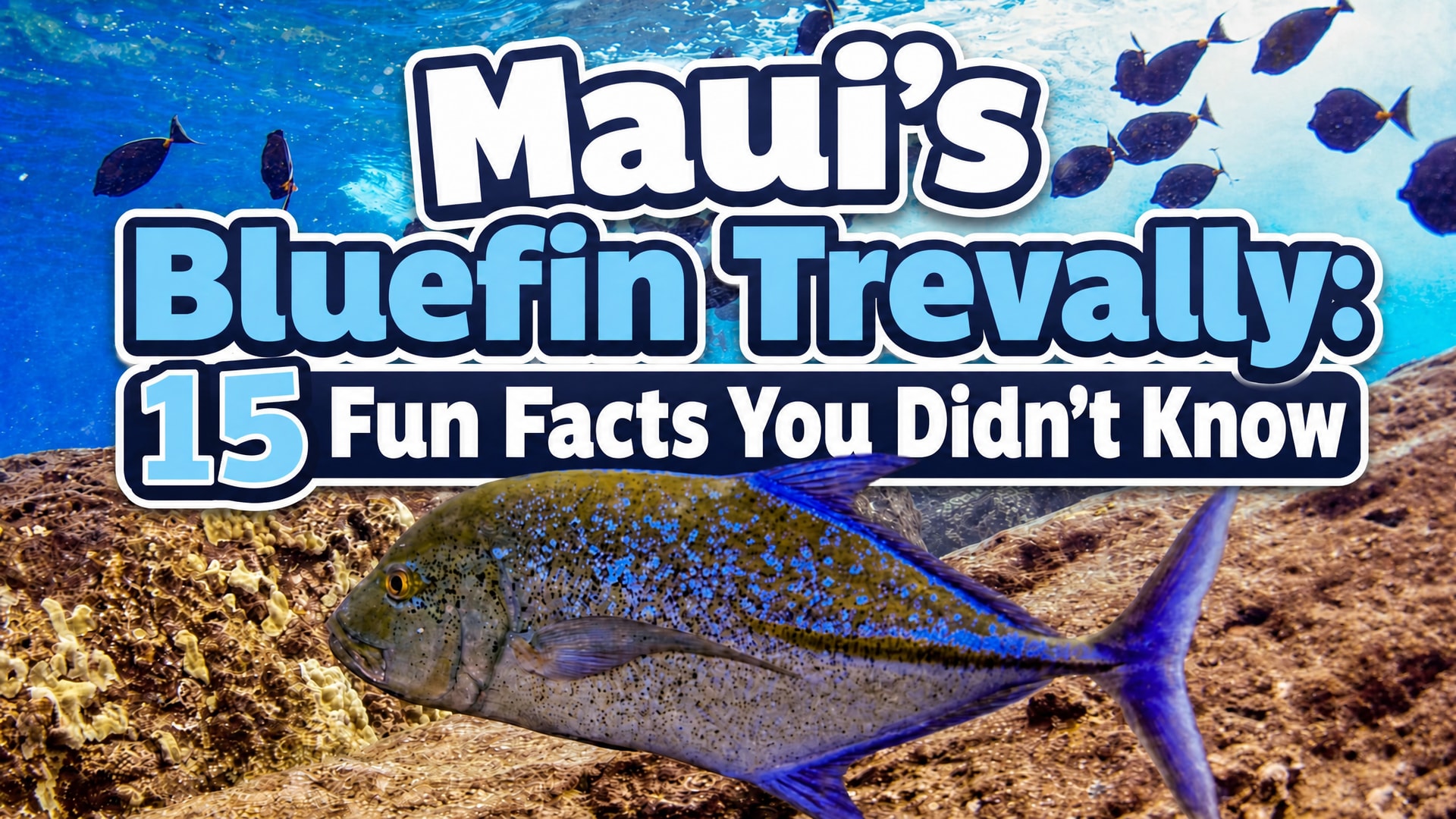
The bluefin trevally is a streamlined predator with iridescent blue dorsal and ventral fins. Its body can shift from light silver to a much darker shade when excited. A sudden appearance of a fast-moving trevally can change the activity of smaller reef fish nearby.
Read our “Maui’s Bluefin Trevally: 15 Fun Facts You Didn’t Know” article for more info on this amazing fish.
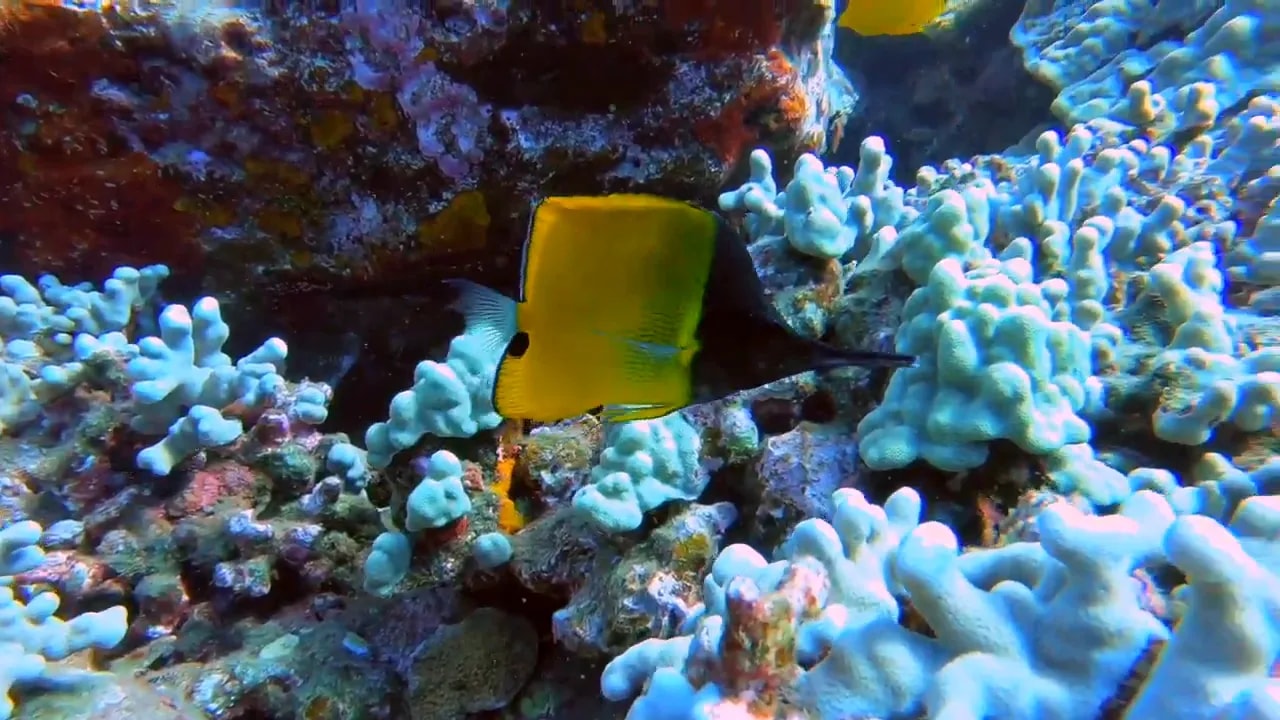
8. Longnose Butterflyfish
The longnose butterflyfish has a narrow, elongated snout used to reach food within rocks and coral crevices. Its tiny teeth allow it to pull out small invertebrates, worms, and coral polyps from spaces other fish cannot access.
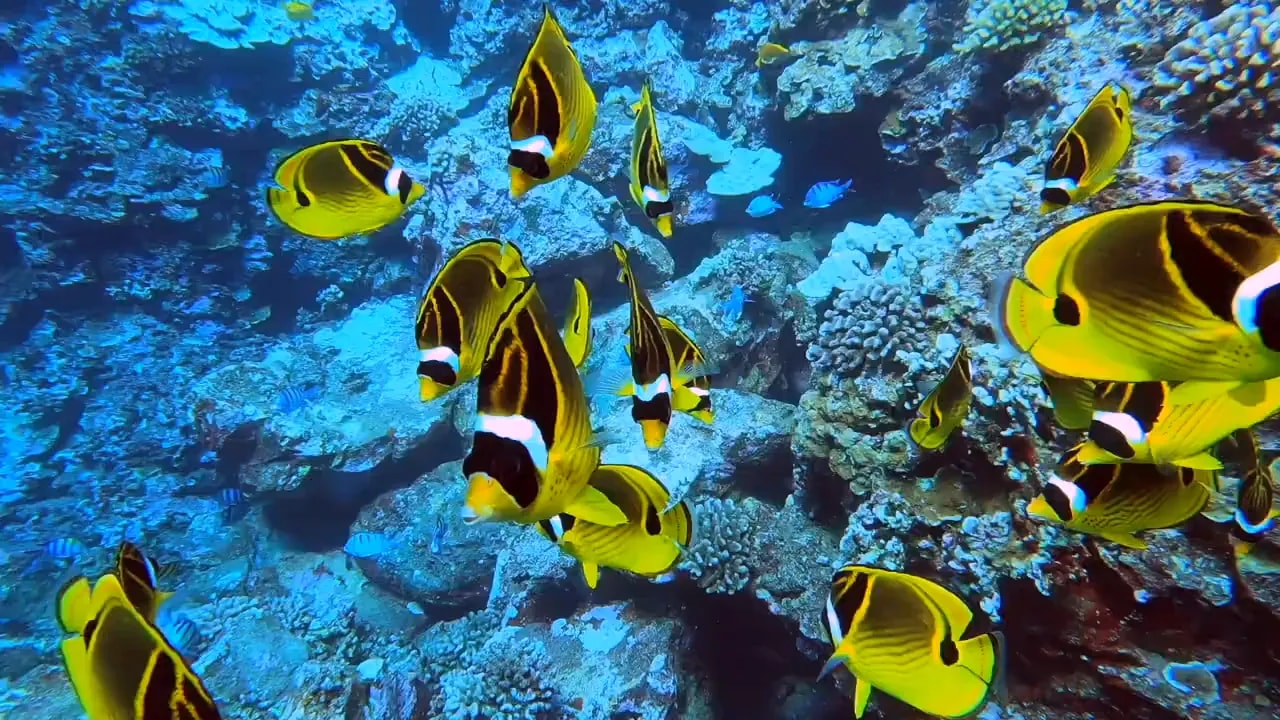
9. Raccoon Butterflyfish
A dark facial mask gives the raccoon butterflyfish its name. It is one of the butterflyfish that can be active at night, though it may also be encountered schooling and feeding during the day. Its diet includes algae, worms, coral polyps, and other benthic invertebrates.
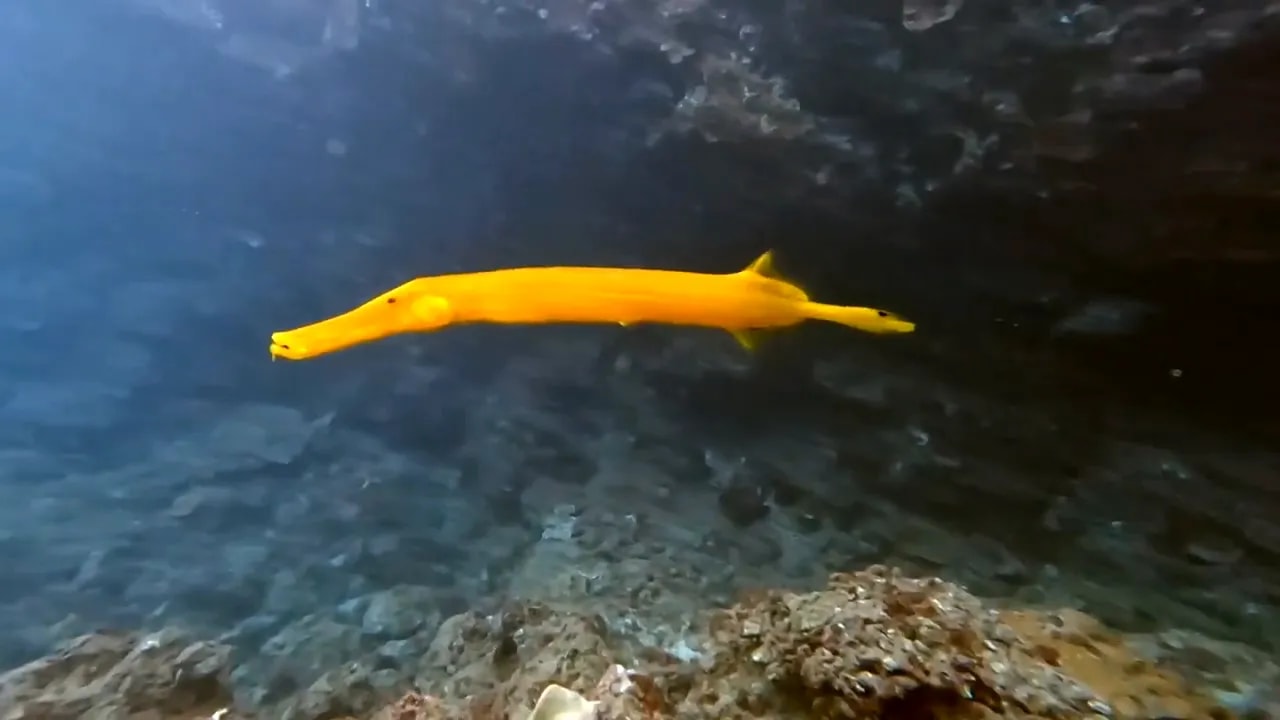
10. Trumpetfish, Nūnū
Long, slender, and paddle-tailed, trumpetfish can resemble a vertical strand of seaweed when they hold themselves upright. Their colors can range from yellow to dark brown, sometimes with stripes or crosshatching. They are ambush predators that rapidly suck prey into their mouths.
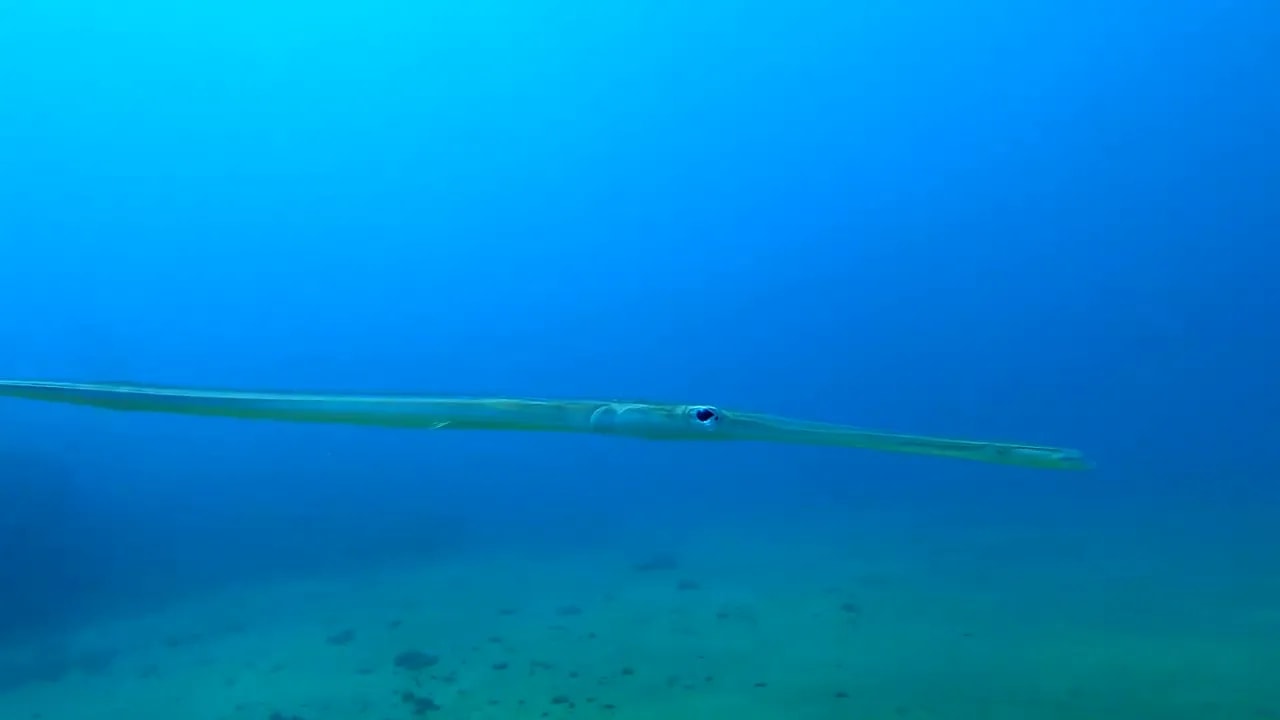
11. Cornetfish, Nūnū Peke
Cornetfish are also long and narrow, but their thin, whip-like tail separates them from trumpetfish. They may appear silver with blue flecks and lines, then darken into a crosshatched pattern. When hunting, they can curl into an S-shape and lunge forward.
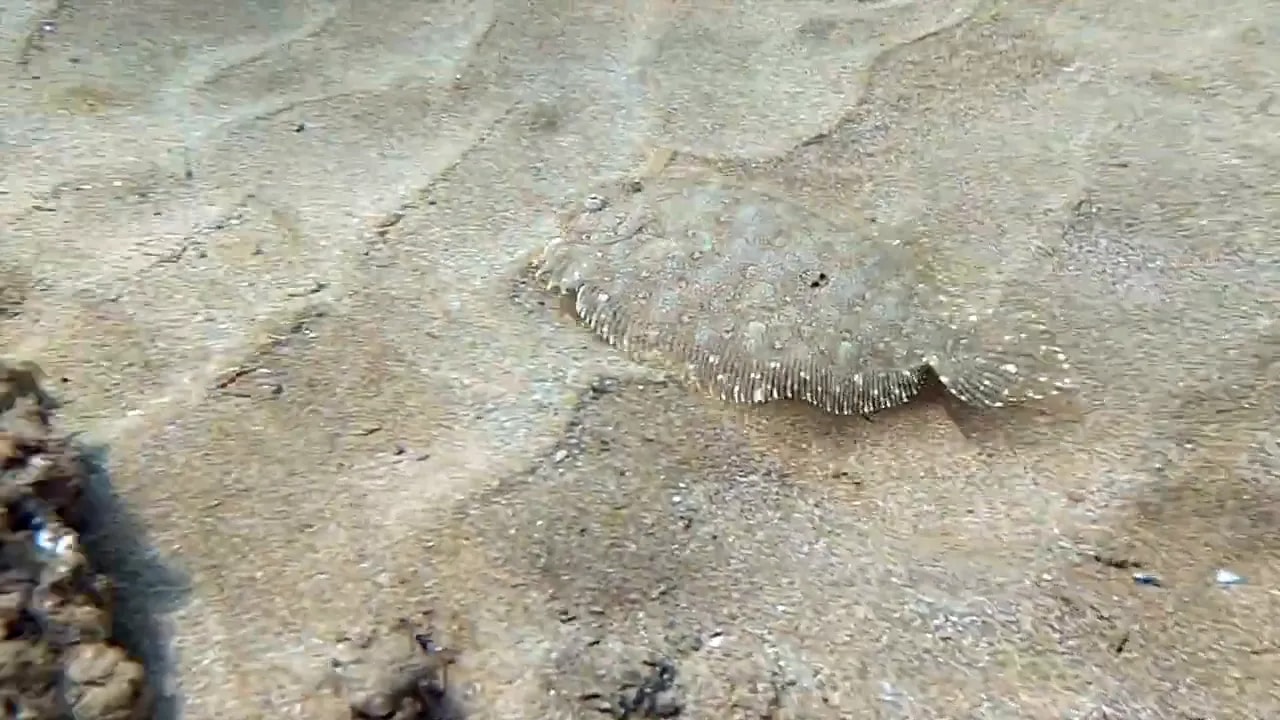
12. Peacock Flounder, Pākīkī
The peacock flounder lies flat against the sand, often blending in so effectively that only its outline and upward-facing eyes stand out. Its upper surface can display round blue spots resembling peacock feathers. Scan sandy patches slowly on Maui Snorkeling Tours rather than looking only at coral.
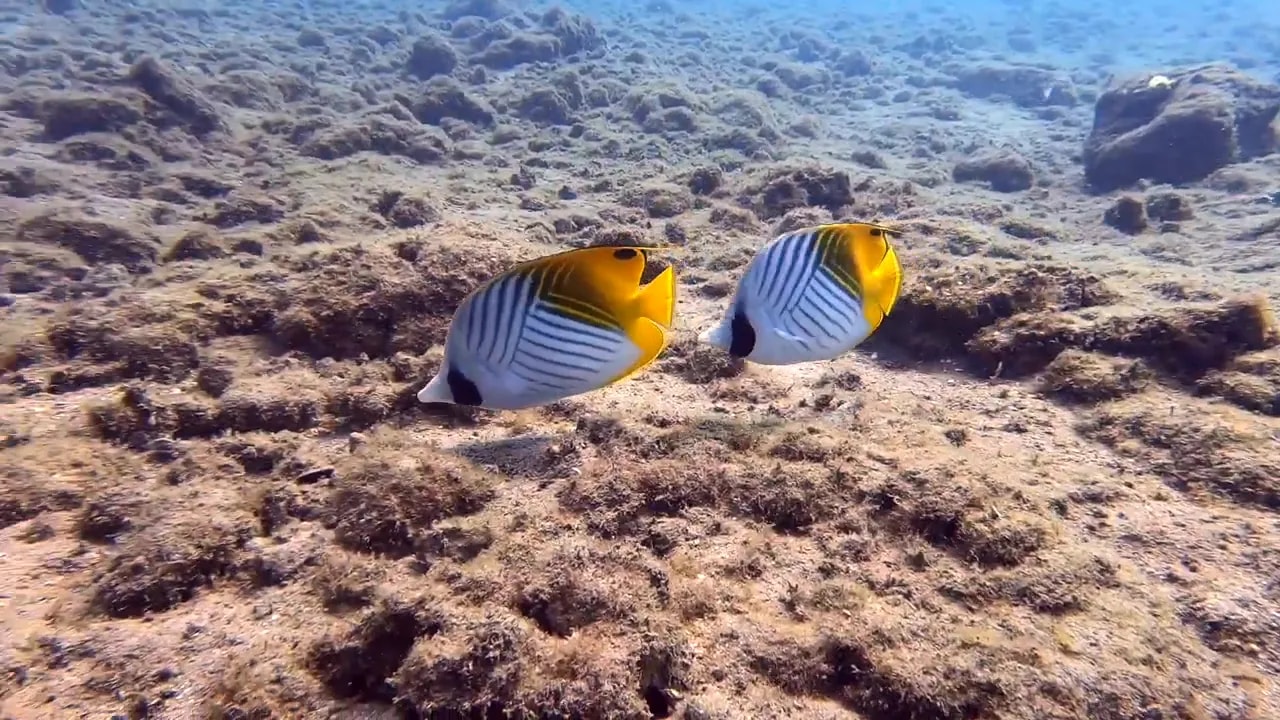
13. Threadfin Butterflyfish
The threadfin butterflyfish has yellow, black, and white coloration, a chevron-like pattern, and a thin dorsal filament. It is frequently seen in pairs and is notable for foraging over sand as well as near coral.
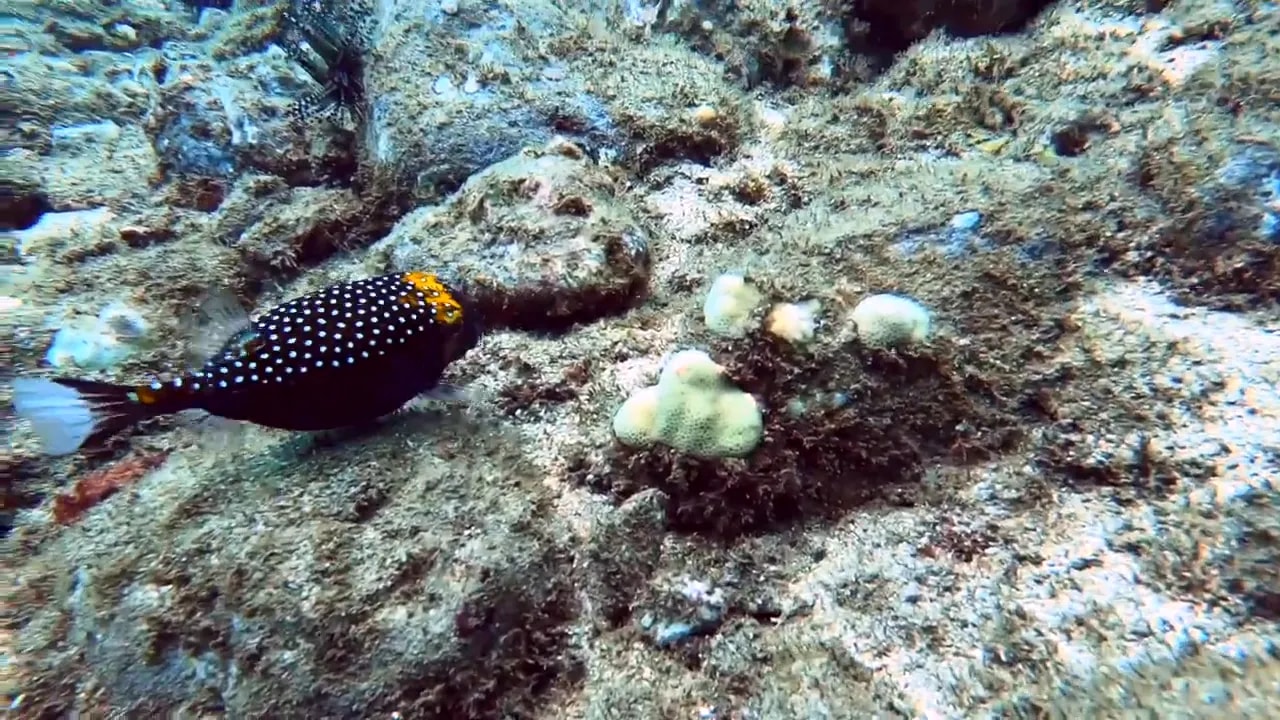
14. Spotted Boxfish, Moa
Despite its boxy profile, the spotted boxfish can make quick, agile turns using its pectoral fins. Males are blue with white spots and a gold-colored crown and tail area, while females are darker brown with fine white spotting.
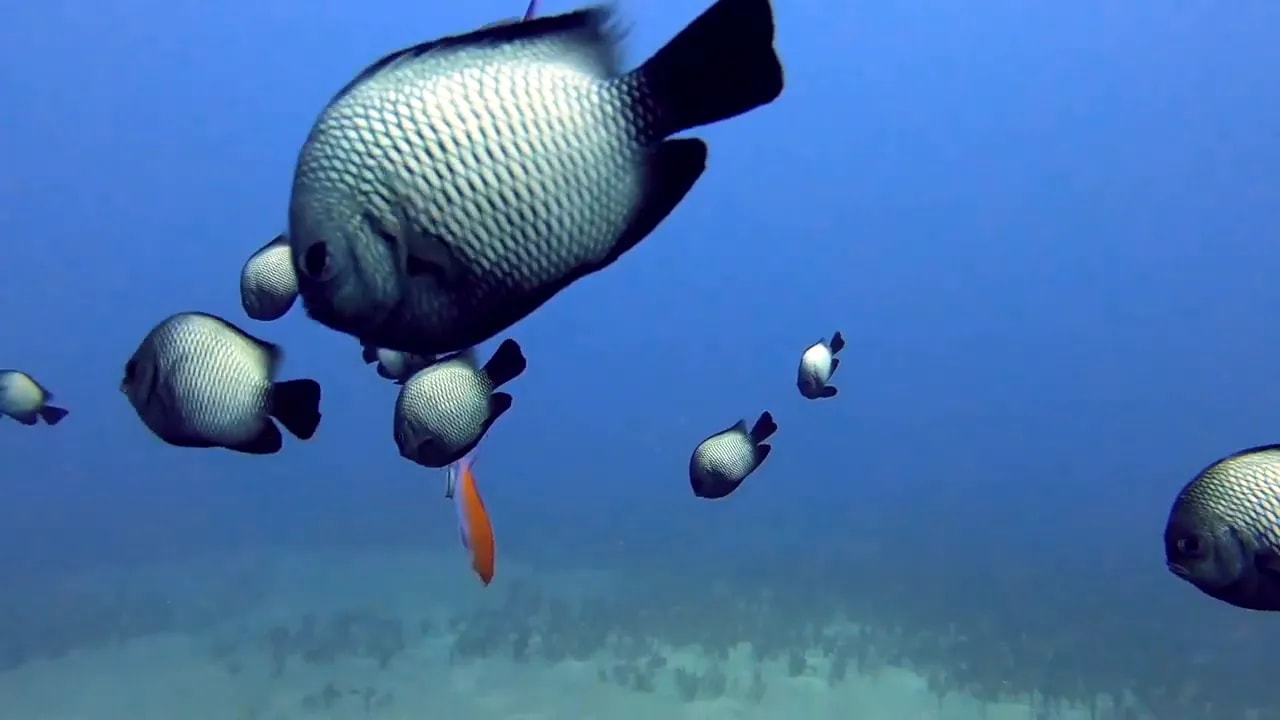
15. Domino Damselfish, Hawaiian Dascyllus
Juvenile domino damselfish are dark with a clear white spot on each side. Adults become more silvery white with dark edging on the head, fins, and tail. These shy fish shelter around branching coral, though nesting adults can become highly protective of their eggs.
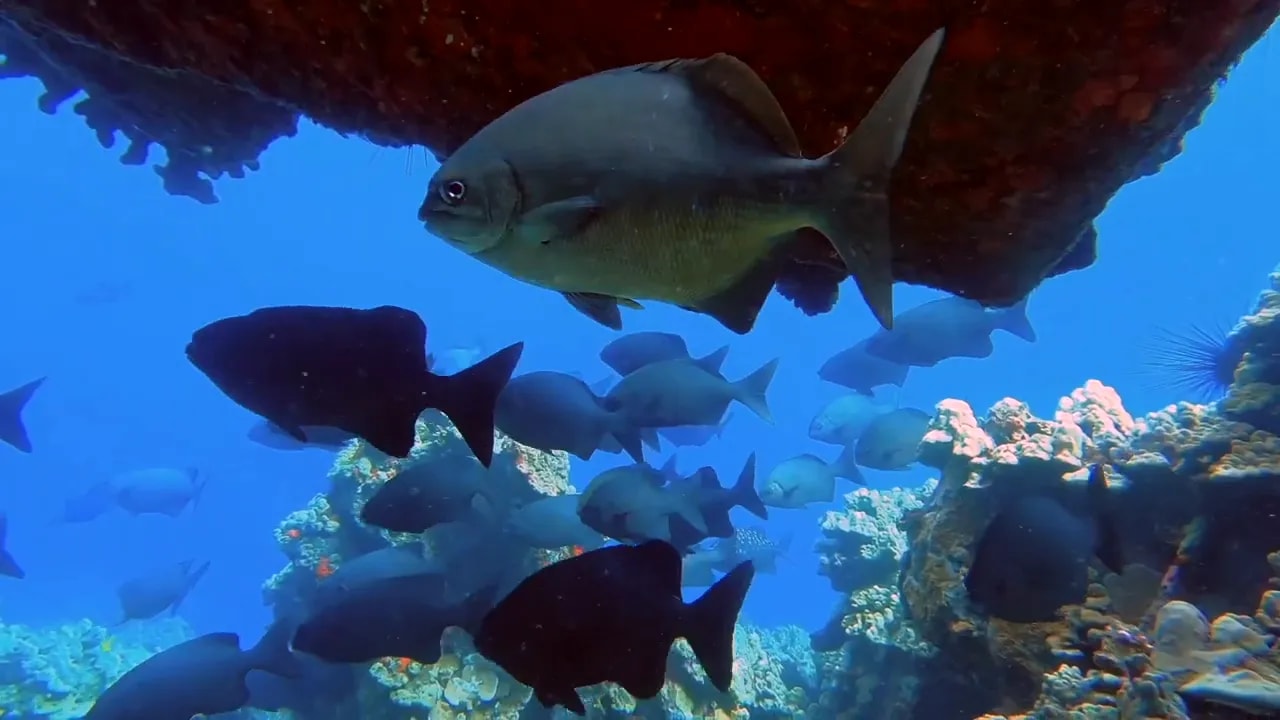
16. Gray Chub, Nenue
Gray chub are paddle-shaped schooling fish that may gather in dozens or hundreds over shallow reefs and rocky coastlines. Their color can range from light silver to deep charcoal, and some show patchy or yellow coloration. A site at Molokini Crater is named after this fish.
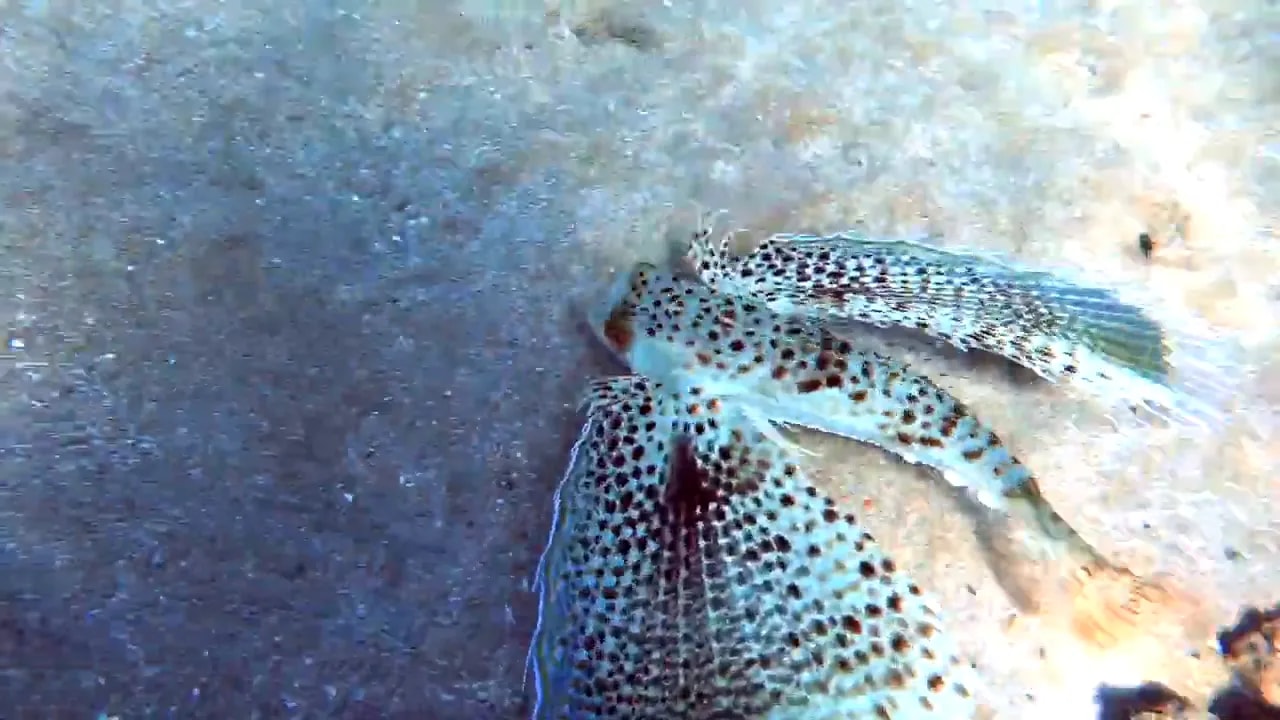
17. Flying Gurnard, Pinao
This bottom-dwelling fish has a large head, elongated tail, and broad pectoral fins that open like wings when it is startled or pursuing food. It can move across sand using finger-like structures on its pelvic fins while searching through sediment.
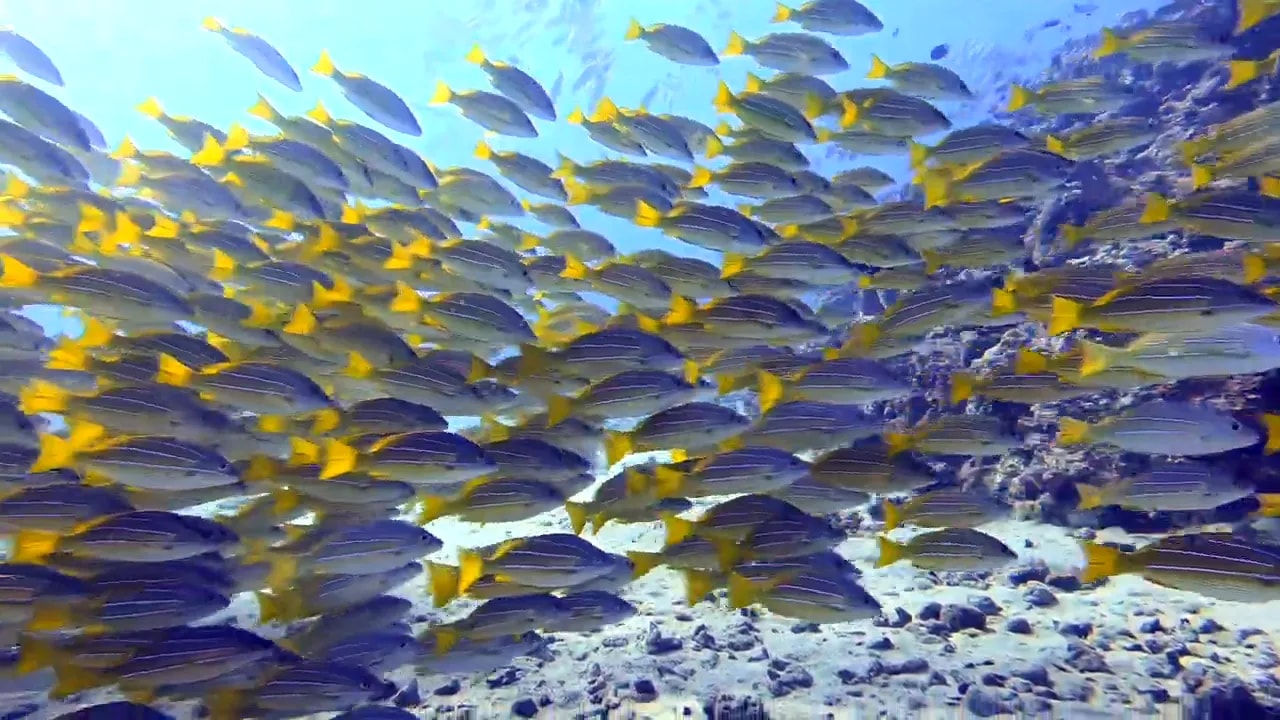
18. Bluestripe Snapper, Taʻape
The bluestripe snapper is bright yellow with four electric-blue stripes running from head to tail. Unlike the other fish on this list, taape is introduced rather than native or endemic to Hawaii. It is often seen in large schools around wrecks, rocky outcrops, and deeper pinnacles.
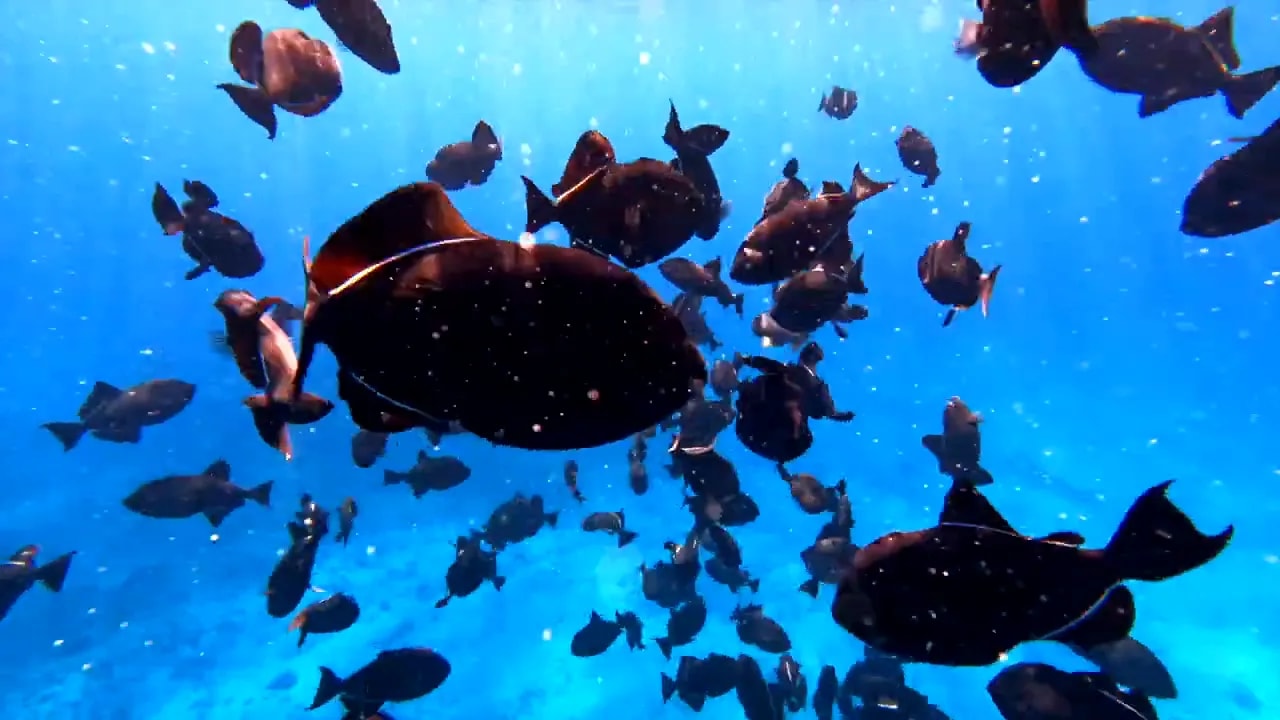
19. Black Durgon, Black Triggerfish
The black durgon, also called the black triggerfish, is dark overall with pale markings near the bases of its dorsal and ventral fins. It can lighten or darken its body, sometimes revealing blue facial markings and a checkered pattern. Groups often gather near the surface.
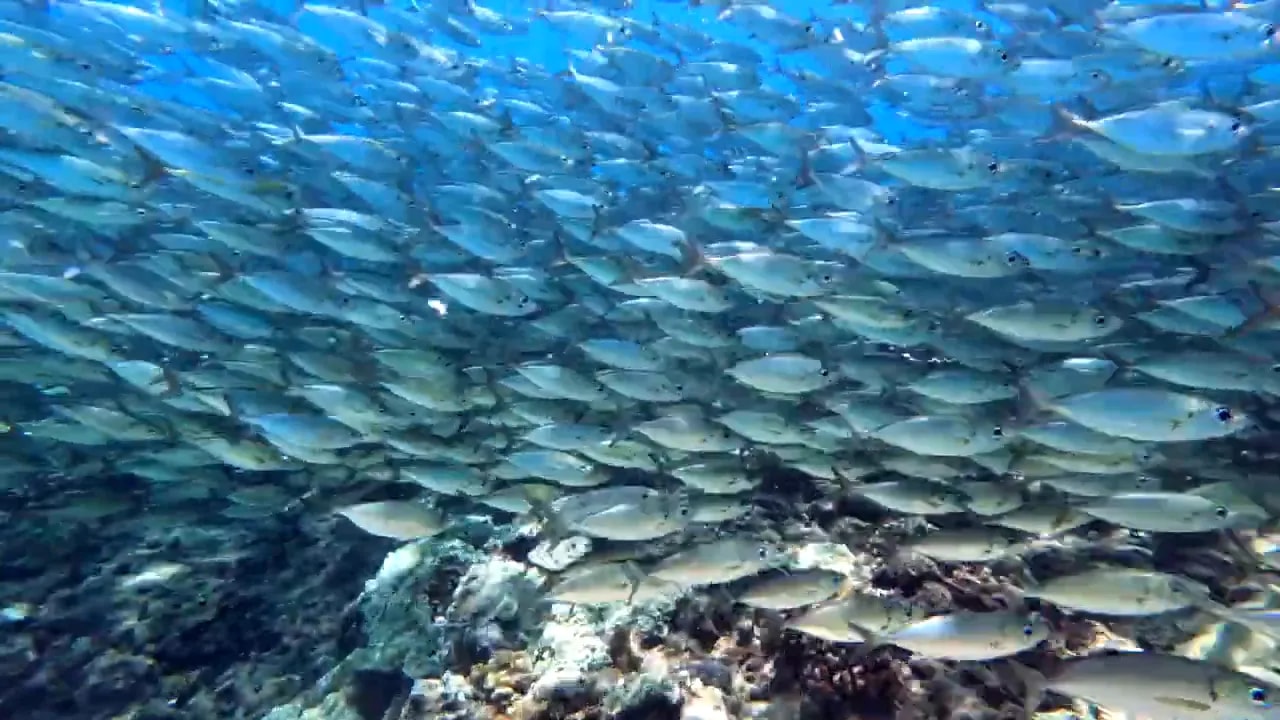
20. Bigeye Scad, Akule
Akule are silvery schooling fish that use coordinated movement and tightly packed bait balls to reduce predation risk. They feed on plankton and favor higher-current areas. Large schools can attract predators such as trevally and sharks.
3. Molokini Crater and Turtle Town Fish Table
Use the table below to compare where each featured species may be encountered on Maui Snorkeling Tours. See which fish can be found at Molokini Crater, which can be found at Turtle Town, and which may occur at both locations.
| Fish (Common / Hawaiian Name) | Molokini Crater | Turtle Town (Nahuna Pt./Maluaka) |
|---|---|---|
| Reef Triggerfish (Humuhumunukunukuāpua’a) | Confirmed | Confirmed |
| Convict Tang (Manini) | Confirmed — named explicitly (“convict tangs”) | Likely — only generic “tang/surgeonfish” mentions |
| Yellow Tang (Lau’īpala) | Confirmed | Confirmed |
| Moorish Idol (Kihikihi) | Confirmed | Confirmed |
| Ornate Butterflyfish (Kikakapu) | Likely — generic “butterflyfish” only | Likely — generic “butterflyfish” only |
| Yellow-striped/Square-spot Goatfish (Wekē) | Not confirmed — no goatfish mention found | Confirmed (“large schools of goatfish”) |
| Bluefin Trevally (Omilu) | Confirmed | Likely — only generic “jacks” |
| Longnose Butterflyfish | Likely — generic “butterflyfish” only | Likely — generic “butterflyfish” only |
| Raccoon Butterflyfish | Confirmed | Confirmed |
| Trumpetfish (Nunu) | Confirmed | Confirmed |
| Cornetfish (Nunu peke) | Not confirmed | Confirmed |
| Peacock Flounder (Pākiʻi) | Confirmed (specifically noted as a Molokini find) | Not confirmed |
| Threadfin Butterflyfish | Likely — generic “butterflyfish” only | Likely — generic “butterflyfish” only |
| Boxfish (Moa) | Not confirmed | Confirmed |
| Domino Damselfish / Hawaiian Dascyllus (Alo’iloi) | Not confirmed | Confirmed |
| Gray Chub / Rudderfish (Nenue) | Confirmed — Molokini has a spot literally named after it (Enenue) | Confirmed |
| Flying Gurnard (Pī nao) | Not confirmed | Not confirmed |
| Bluestripe Snapper / Ta’ape (invasive) | Not confirmed | Confirmed (one direct source, “snapper”) |
| Black Durgeon / Black Triggerfish (Humuhumu ‘ele’ele) | Confirmed — named explicitly | Likely — only generic “triggerfish” |
| Bigeye Scad (Akule) | Not confirmed | Confirmed |
For a focused outing that combines two major reef destinations, explore the Molokini Crater and Turtle Town snorkel tour. For travelers who prefer a later departure centered on the crater, consider the Molokini Crater snorkel tour.
The location data above was compiled by cross-referencing each fish species named in the video against publicly available marine life guides, naturalist write-ups, and sighting lists published by Maui-based snorkel and dive tour operators specific to Molokini Crater and Turtle Town (Nahuna Point/Maluaka Beach). A species was marked “Confirmed” only when a site-specific source named that exact fish; “Likely” indicates the source mentioned the broader fish family (e.g., “butterflyfish” or “tang”) without naming the specific species; “Not confirmed” means no site-specific documentation was found, though the fish may still be present. This reflects documentation availability rather than a formal scientific survey of either reef.
4. Use Habitat Clues to Find Fish More Easily
Instead of searching randomly, match each fish to the part of the reef where its behavior makes sense.
- Coral heads and crevices: Reef triggerfish, longnose butterflyfish, ornate butterflyfish, domino damselfish, and spotted boxfish.
- Open reef and water column: Convict tangs, gray chubs, bluefin trevally, black durgon, and akule.
- Sandy bottoms and reef edges: Yellow-striped goatfish, peacock flounder, threadfin butterflyfish, and flying gurnard.
- Camouflage zones: Trumpetfish and cornetfish near reef walls, seaweed-like growth, and changing light.
Conditions vary from day to day, so no species can be guaranteed on every trip. Still, understanding habitat gives guests on Maui Snorkel Tours a much better chance of recognizing fish they encounter.
5. Avoid the Most Common Fish Identification Mistakes
- Confusing trumpetfish and cornetfish: Check the tail. Trumpetfish have a broader paddle-like tail, while cornetfish have a long whip-like extension.
- Missing flounders: Slow down over sandy bottom. Their camouflage works because people often scan too quickly.
- Assuming every yellow fish is a yellow tang: Yellow tangs are uniformly bright yellow and have the surgeonfish body shape. Butterflyfish and goatfish have different patterns and profiles.
- Relying only on color: Light underwater can alter appearance. Body shape, fin placement, group behavior, and habitat are often more reliable.
- Approaching too closely: Fish may retreat into shelter or stop normal behavior. Observe calmly and give reef animals room.
6. Protect the Reef While Snorkeling
Reef fish depend on healthy coral habitat. Never stand on coral, chase animals, feed fish, or reach into crevices to get a closer look. Keep fins clear of the bottom, particularly in shallow water, and maintain control of your body position.
For additional reef-safe practices, review NOAA guidance on human threats to coral reefs. Respectful snorkeling helps ensure that Maui Snorkeling Tours remain meaningful for both people and the marine life that makes these reefs exceptional.
Frequently Asked Questions About Maui Snorkeling Tours and Reef Fish
What fish are commonly seen on Maui Snorkeling Tours?
Commonly recognized fish include reef triggerfish, convict tangs, yellow tangs, butterflyfish, goatfish, gray chubs, black durgon, and large schools of akule. Sightings vary with location, conditions, and fish behavior.
Can I see yellow tangs at Molokini Crater?
Yellow tangs are common Hawaiian reef fish and are among the colorful species associated with Molokini Crater reef habitat. They are easy to recognize by their bright yellow bodies.
What is Hawaii’s state fish?
Hawaii’s state fish is the reef triggerfish, known in Hawaiian as humuhumunukunukuapuaʻa. It has a brown back, dark underside, and a yellow marking near the tail.
How can I spot a peacock flounder while snorkeling?
Look slowly across sandy areas near reefs. Peacock flounders lie flat against the seafloor and blend in with the sand, but their raised eyes, body outline, and occasional blue spots can reveal them.
Does Makena Coast Charters provide a FISH ID card?
Yes. They provide a free fish ID card when guests book Molokini Crater and Turtle Town snorkel tours. It features 16 marine life species, including their names and images to make them easy for you to identify.